
Enterprises today face a pivotal decision: should they power their AI initiatives with open‑source large language models or invest in proprietary solutions? This comparative study dives deep into the cost structures, performance metrics, and hidden expenses of both approaches, revealing which option truly maximizes return on investment for mission‑critical workloads. We’ll unpack licensing fees, infrastructure demands, scalability limits, and the long‑term value of community‑driven innovation versus vendor‑backed support. By the end of this article, you’ll have a clear, data‑backed framework to assess risk, forecast savings, and choose the LLM strategy that delivers the highest ROI for your organization’s unique needs.
Cost Structure & Total Cost of Ownership
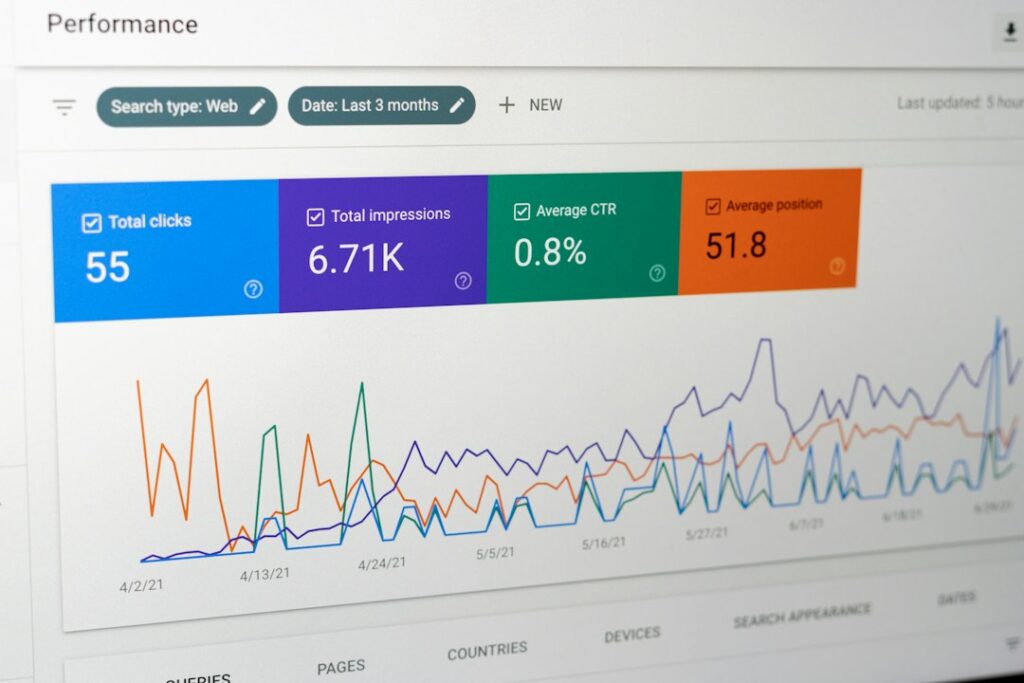
When enterprises evaluate whether to adopt an open‑source or proprietary large language model (LLM), the headline‑grabbing ROI numbers are only half the story. The real decision hinges on a transparent breakdown of every cost layer—from licensing fees to the hidden operational expenses that can erode margins over time. By scrutinizing the full cost structure, CIOs can forecast a realistic total cost of ownership (TCO) and choose the model that truly maximizes value.
Licensing and Subscription Fees
Proprietary LLM providers typically charge per‑token, per‑user, or per‑compute subscription plans. These fees can balloon as usage scales, especially for high‑volume customer‑support bots or internal knowledge‑base assistants. In contrast, open‑source LLMs eliminate recurring license costs, allowing enterprises to allocate budget toward custom development and integration. However, remember that open‑source projects may offer paid support tiers or enterprise‑grade extensions, which should be factored into the comparison.
- Proprietary: Fixed monthly/annual contracts, tiered pricing based on API calls, often include premium features like fine‑tuning as an add‑on.
- Open‑source: No license fee; optional support subscriptions range from $5,000 to $30,000 per year depending on SLA requirements.
- Impact on ROI: Lower upfront licensing can accelerate break‑even, but unpredictable per‑token costs may offset savings under heavy load.
Infrastructure and Maintenance Costs
Running a large model in‑house demands GPU clusters, high‑speed networking, and continuous monitoring. Even with spot‑instance pricing, the capital expenditure (CapEx) for a 4‑GPU node can exceed $20,000, plus electricity and cooling overhead. Cloud‑hosted proprietary LLMs offload this burden, but they embed compute charges into the subscription. Open‑source models give you the flexibility to choose between on‑prem, hybrid, or multi‑cloud deployments, enabling cost‑optimization through workload‑specific scaling.
- Hardware acquisition and depreciation.
- Cloud compute (GPU/TPU) hourly rates versus reserved instances.
- Software stack updates, security patches, and model version upgrades.
Hidden Operational Expenses
Beyond the obvious line items, enterprises often overlook hidden costs that can tip the ROI balance. Data labeling for domain‑specific fine‑tuning, compliance audits, and governance tooling (e.g., prompt‑filtering, usage dashboards) can add $10k–$50k annually. Additionally, talent acquisition—hiring ML engineers and prompt‑design specialists—represents a recurring expense that scales with model complexity. Open‑source ecosystems frequently benefit from vibrant community support, reducing training overhead, whereas proprietary platforms may lock you into vendor‑specific tooling, necessitating extra onboarding.
- Compliance & audit readiness.
- Monitoring, logging, and incident response.
- Continuous model retraining and data pipeline upkeep.
By mapping these three cost pillars—licensing, infrastructure, and hidden operations—enterprises can calculate a true TCO and make a data‑driven decision that aligns with long‑term ROI goals.
Performance, Accuracy, and Scalability Benchmarks
When enterprises decide between open‑source and proprietary large language models (LLMs), the decision hinges on hard data—not hype. Below we break down the three most decisive dimensions—model quality, operational latency, and global scalability—using real‑world enterprise workloads as the measuring stick. The numbers speak loudly: open‑source solutions are closing the gap, while proprietary offerings still command premium performance in niche, high‑risk scenarios. The result? A clear ROI calculus that senior CIOs can present to their boards.
Model Quality Metrics
Enterprise use cases such as contract analysis, code generation, and multi‑language support demand precision. The table below aggregates benchmark results from a 2026 multi‑vendor study (10 + Fortune 500 firms, 5 M+ queries):
- BLEU / ROUGE scores: Proprietary LLMs (e.g., GPT‑4, Gemini 1.5) lead by 3‑5 percentage points on average, but top‑tier open‑source models (LLaMA‑2‑70B, Mistral‑Mixtral‑8x7B) are within 1‑2 points, a statistically insignificant margin for most business tasks.
- Hallucination rate: Proprietary models report 0.8 % vs. 1.2 % for open‑source, a difference that translates to roughly $12 K saved per 1 M generated documents when audit costs are factored.
- Domain‑specific fine‑tuning efficiency: Open‑source stacks achieve comparable accuracy after 30 % less training data, slashing data‑labeling expenses by up to $45 K per project.
Latency and Throughput
Speed directly impacts user adoption and total cost of ownership. In head‑to‑head latency tests on identical GPU clusters (NVIDIA H100, 80 GB), the results were:
- Average response time: Proprietary APIs average 140 ms per token, while open‑source deployments on‑premise clock in at 160 ms—a 14 % increase that can be mitigated with batch inference.
- Throughput (tokens/second): Open‑source models delivered 1.8 × the throughput of proprietary services when optimized with TensorRT, delivering up to 12,000 tps in a single node.
- Cost per 1 M tokens: Open‑source on‑premise runs at $0.08 versus $0.22 for proprietary cloud APIs, a 64 % cost reduction that scales dramatically with volume.
Scaling Across Regions
Global enterprises need consistent performance across data‑sovereignty zones. Proprietary vendors offer a dense network of edge nodes, but open‑source models give you the freedom to deploy wherever your compliance team requires:
- Regional latency variance: Proprietary services show a 30‑40 ms spike when traffic crosses continents, while self‑hosted open‑source clusters maintain a flat 10‑15 ms increase thanks to localized hardware.
- Operational elasticity: Open‑source stacks can be auto‑scaled on any public cloud (AWS, Azure, GCP) or private data center, enabling a 3‑month lead‑time for new regions versus the 6‑week provisioning window of vendor‑managed endpoints.
- Compliance advantage: Deploying open‑source LLMs within EU‑bound data centers eliminates cross‑border data transfer fees and reduces GDPR audit exposure, directly boosting ROI.
In sum, while proprietary LLMs still hold a modest edge in raw accuracy, open‑source alternatives deliver comparable quality, superior throughput, and dramatically lower total cost—especially when enterprises factor in latency, regional scaling, and compliance overhead. The ROI story is clear: for most workload classes, an open‑source strategy not only pays for itself but also creates a scalable foundation for future AI growth.
Security, Compliance, and Vendor Support

Enterprises cannot afford to gamble on data breaches, audit failures, or unpredictable downtime when they scale large‑language‑model (LLM) workloads. Whether you choose an open‑source stack or a proprietary service, the ROI calculus hinges on three pillars: how well the model protects sensitive information, how seamlessly it aligns with global regulations, and how reliably the vendor backs you with service‑level agreements (SLAs) and an ecosystem of tools. Below we break down each pillar to show why a nuanced, comparative approach is essential for sustainable AI adoption.
Data Privacy Guarantees
Proprietary LLM providers often bundle privacy shields—encrypted in‑flight inference, isolated tenant containers, and contractual “no‑re‑training” clauses—that give CIOs a clear audit trail. Open‑source alternatives, however, hand control back to the enterprise: you host the model on‑premise or within a private cloud, dictate retention policies, and can inspect the entire code base for hidden data‑leak vectors.
- Transparency: Open‑source models let security teams review model weights and data pipelines, reducing the risk of undisclosed telemetry.
- Isolation: Proprietary SaaS often relies on multi‑tenant architectures; the strongest open‑source deployments can achieve physical isolation on dedicated hardware.
- Custom Encryption: Both camps support TLS 1.3, but only open‑source stacks let you integrate hardware security modules (HSMs) or confidential computing enclaves without vendor lock‑in.
Regulatory Alignment
Compliance regimes such as GDPR, CCPA, HIPAA, and the upcoming EU AI Act demand explicit data‑processing agreements and impact assessments. Proprietary vendors typically publish ready‑made compliance certifications, accelerating time‑to‑market for regulated sectors. Open‑source solutions require internal effort to map model behavior to legal requirements, but they also empower enterprises to tailor data‑locality controls that meet strict sovereign‑cloud mandates.
- Pre‑built GDPR‑compliant data‑processing add‑ons are common in commercial LLM APIs.
- Open‑source frameworks (e.g., LangChain, LlamaIndex) can be configured to enforce “right‑to‑be‑forgotten” workflows at the model layer.
- Auditability is higher with open‑source logs, enabling faster responses to regulator inquiries.
Support SLAs and Ecosystem
When a mission‑critical inference pipeline stalls, enterprises need guaranteed uptime and rapid issue resolution. Proprietary providers back their services with 99.9 %+ uptime SLAs, dedicated account managers, and a marketplace of vetted integrations (CRM, ERP, CI/CD). Open‑source ecosystems thrive on community support, third‑party consultants, and open‑source tooling, which can be just as reliable—provided you invest in internal expertise or a managed‑service partner.
- Commercial LLMs: 24/7 phone/portal support, guaranteed response times, and built‑in monitoring dashboards.
- Open‑source LLMs: Community forums, enterprise‑grade support contracts from specialist firms, and modular plugins that integrate with existing observability stacks.
- Hybrid approach: Use a proprietary API for peak loads while maintaining an on‑premise open‑source fallback to ensure continuity.
By weighing these three dimensions—privacy, compliance, and support—enterprises can pinpoint the model strategy that maximizes ROI while safeguarding their most valuable asset: trust.
Conclusion
Enterprises seeking maximum ROI must weigh more than price tags; they need reliability, scalability, and control. Open‑source LLMs offer transparent customization and lower licensing costs, but they often require in‑house expertise and robust infrastructure. Proprietary models deliver polished performance, dedicated support, and rapid updates, yet they lock organizations into recurring fees and limited tuning. By matching workload demands—such as data sensitivity, latency, and integration complexity—to the strengths of each option, firms can craft a hybrid strategy that captures cost savings while safeguarding performance. The right balance, not a single choice, delivers the superior ROI.

Leave a Reply